
How to Advertise on Yandex Navigation in Turkey?
Are you becoming invisible while your competitors shine on the map? Start attracting drivers to your store with the updated Yandex Navigation advertising strategies of 2026!
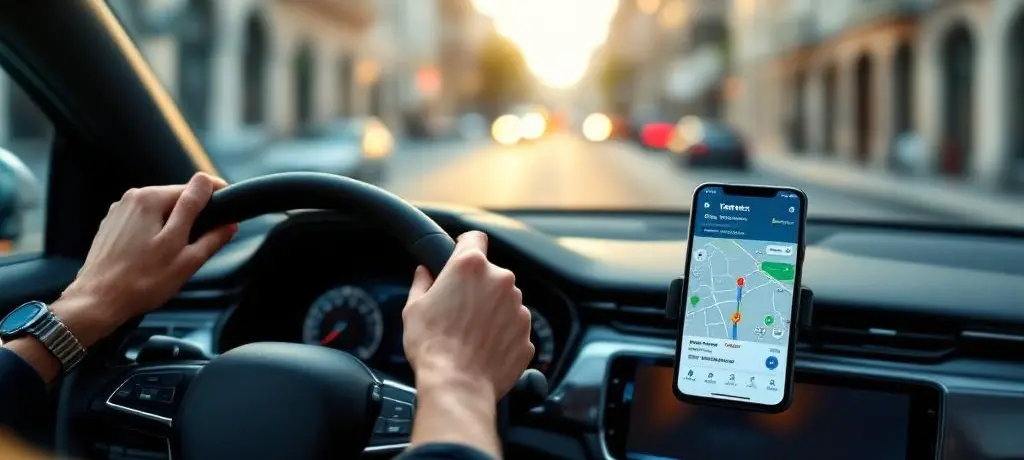
Every day, thousands of vehicles pass through the street you are on, but is only a small fraction of these potential customers stopping by your store? Or while your competitors’ logos shine as massive pins on mapping applications, is your business completely invisible on drivers' screens? We hear this scenario so frequently in our strategy meetings with local business owners and marketing managers... You have a great product or service, and your location isn’t bad either; however, the lack of visibility in the digital world directly undermines the foot traffic entering your physical store.
In the hyper-connected world of 2026, consumers' purchasing decisions are now shaped while they are behind the wheel or waiting in traffic. People rely on navigation applications not only to get to a destination but also to discover coffee shops, restaurants, gas stations, or service points along the route. This is precisely where a well-crafted location-based marketing strategy can convert an ordinary drive into a direct store visit.
In this comprehensive guide, we will examine one of the most powerful platforms used by millions of active drivers in the Turkish market. We will step-by-step explore how you can exist in the Yandex Navigation ecosystem by targeting customers who will actually walk through your door without wasting your budget.
What are Yandex Navigation Ads and Why are They Important?
Yandex Navigation ads are a location-based digital marketing model that allows brands to reach drivers via special pins on the map, digital billboards, and zero-speed banners that appear during stopping moments. These ads are designed to attract potential customers passing by your business directly to your physical store.
Standard search engine ads require the user to search for a specific keyword. However, navigation ads work in a far more proactive manner. Even if a driver does not make any search, they encounter your brand when they enter a geographical area (geo-fence) you define or when they stop at a traffic light near your store. This situation has a unique advantage, especially in triggering impulsive purchase decisions.
In practice, we often see this: Many SMEs allocate their entire budget solely to social media or text-based ads. However, if your product is consumed at a physical location (for example, if you are a tire repair shop, a boutique bakery, or a local furniture store), capturing the customer at the very moment they are closest to you provides a much higher return on investment (ROI) than all other channels.
Application Suggestion: Before starting to set up your campaign, ask your existing customers how they found your store. If the proportion of "I saw it while passing by" responses is low, it means you are not fully utilizing the potential of the street you are on, and navigation ads are an urgent need for you.
Advertising Models that Convert Drivers into Customers
When entering the Yandex ecosystem, understanding your target audience's behaviors while driving plays a critical role. The purpose and psychological impact on the consumer of each advertising model differ. As frequently highlighted by authoritative sources in the industry and data from the Yandex Ads - Global Advertising Platform, targeting the right moment directly affects the efficiency of the advertising budget. Here are the models that bring the most conversions in 2026:
1. Branded Pins
This model allows your corporate logo to appear at the exact point where your business is located on the map instead of a standard point. Users see your logo while examining the map or while progressing along the route. When clicked, your working hours, contact details, and "Add to Route" button pop up. It is essential, especially for creating brand awareness and conveying the message "We are here" in that area.
2. Route Billboards
These are just like physical highway signs, but completely digital. When the driver creates their route and sets off, your brand's digital sign appears on the screen at a point you have designated along the route. Instead of spending huge budgets on physical signs, you only become visible to those who really use that road, and you can measure this visibility.
3. Zero-Speed Banners
Perhaps the model with the strongest performance. These are wide visual ads that appear at the top or bottom of the screen when the vehicle comes to a complete stop (for example, at a red light or in heavy traffic). They disappear immediately when the vehicle starts moving again to ensure safety. Based on our experience working with clients, zero-speed banners provide the highest conversion rates, especially during impulse buying moments or moments of fatigue (coffee breaks, fast-food, gas).
The effects of location-based marketing on consumer behavior are supported by the published HubSpot Current Local SEO and Marketing Statistics, proving that over 70% of users visited a physical store due to map recommendations on their mobile devices.
Comparison Table of Yandex Advertising Models
Reklam Modeli En Uygun Kullanım Senaryosu Kullanıcı Etkileşimi Maliyetlendirme Türü
Markalı Pinler Marka bilinirliği ve sürekli görünürlük Logoya tıklama, detayları görme Tıklama veya Gösterim Başına
Dijital Billboardlar Otoyol ve ana cadde üzerindeki işletmeler Görsel farkındalık, rotaya dahil etme Bin Gösterim Başına (CPM)
Sıfır Hız Bannerları Anlık indirimler, sıcak fırsatlar, mola teklifleri Bannera tıklama, anında rotayı değiştirme Bin Gösterim Başına (CPM)
Önerilen Rota İğneleri Arama yapıldığında ilk sırada çıkmak isteyenler Arama sonuçlarında en üstte görünme Tıklama Başına (CPC)
Application Suggestion: Instead of piling your budget into a single model, create a blended strategy. While placing a "Branded Pin" on your store, attract drivers inside by offering a special discount with a "Zero-Speed Banner" at traffic lights 5 kilometers away.
Step by Step How to Advertise on Yandex Navigation?
Many business owners think that these platforms are only open to huge brands; however, local SMEs can also manage their own campaigns through Yandex Direct. Here are the steps you need to follow according to the updated interface and system requirements for the year 2026:
1. Setting Up a Yandex Direct Account and Business Registration
First, you need to create an advertiser account on the Yandex Direct platform. However, even more importantly, your business must be claimed and verified on Yandex Maps (Yandex Business/Directory). Having complete photos, working hours, and address information on your business profile directly affects the quality score of your ads.
2. Defining Target Audience and Geographical Area (Geo-Polygon)
The heart of navigation ads beats here. Advertising to the whole city is a waste of budget. Through the "Polygon" (Geo-fencing) tool on the platform, you can target specific streets around your store, the front of competing stores, or only the traffic flowing in a specific direction. For example, targeting users only returning from work between 5:00 PM and 7:00 PM is a great tactic for a restaurant.
3. Preparing Creatives and Messaging
A person driving has only 2-3 seconds to perceive your ad and decide. Long texts or complex designs are doomed to fail. High contrast colors, easily readable large fonts, and very clear calls to action (CTA) like "2nd Coffee Free - Add to Route" should be used.
You can do this yourself, but... Implementing simple pin ads through the Yandex Direct interface is relatively easy. You can follow these steps for basic visibility; however, advanced polygon targeting, bid strategies based on the time of day (dayparting), and managing the platform's complex algorithms require a professional approach. If you are allocating a high budget and expecting maximum return, seeking support from a team specialized in Yandex advertising will minimize your trial-and-error costs to zero.
Yandex Navigation Advertising Costs and Budget Planning in 2026
Costs for digital ads continuously change based on supply and demand. As of 2026, competition for location-based ads in the Turkish market has increased. However, compared to search engine ads, the cost to attract physical traffic (Cost Per Store Visit) is still quite advantageous.
Navigation campaigns usually operate on a CPM (Cost Per Thousand Impressions) model. In other words, you pay a fee for your ad to appear on the screens of 1000 drivers. This fee varies according to the density of the city you are targeting and the hour you aim for. Since morning traffic and rush hours are considered "prime-time," bids rise during these times.
Hedefleme Türü / Yoğunluk Tahmini CPM (1000 Gösterim Maliyeti) Tıklama Oranı (CTR) Beklentisi
Düşük Yoğunluklu Bölgeler / Standart Saatler ₺40 - ₺70 %0.8 - %1.5
Yüksek Yoğunluklu Şehir Merkezleri ₺90 - ₺150 %1.2 - %2.5
Trafik Zirve Saatleri (Prime-Time) ₺160 - ₺250+ %2.0 - %4.5
Note: The figures stated above are the overall industry averages for the year 2026; they may vary based on your business's industry and the competition among your target audience.
Which is Better for Map Ads: Google Ads or Yandex Navigation?
One of the most frequent questions we receive from our clients is: "Should I allocate my budget to Google Maps or Yandex Navigation?" In fact, these two platforms are not rivals but complement each other.
According to research and Search Engine Journal local SEO data, users primarily use Google Maps for "Search"-focused purposes. That is, Google dominates intent-based searches like "nearest plumber" or "Kadıköy lahmacun." However, Yandex is actively used as a "Driving/Navigation" assistant by professional drivers, couriers, and those commuting daily in Turkey. If you want to engage in disruptive marketing at the moment of driving, Yandex's banner and pin models are much more aggressive and effective.
For comprehensive location marketing, running Google Maps advertising for local customers strategies in parallel with your Yandex campaigns is the most flawless scenario.
Advanced Tactics and Experiences for Campaign Optimization
Launching the ad is only 20% of the job. The real success lies in reading the incoming data and optimizing the campaign. We have managed campaigns across a wide range from SMEs to corporate brands for years. The following strategies, based on real-life data, will multiply your budget's return:
- The Power of A/B Testing: Never settle for a single visual. In a one-week test with a car maintenance service client, we used zero-speed banners. In version A, there was only the brand logo and the words "Auto Service," while in version B, there was the message "Free Brake Check Before You Hit the Road - Add to Route." As you might guess, version B increased physical visits by 42%.
- Weather and Traffic Integration: Advertising a car wash on rainy days is a waste of your budget. Dynamically adjust your bid settings based on weather forecasts and real-time traffic density. As traffic congestion increases, so does the tendency of people to take a coffee or meal break.
- Competitor Geo-Conquesting: Use the polygon targeting tool to target the area within 500 meters of your biggest competitors' physical stores. Appearing on a customer's screen right outside their door with the message "20% Cheaper Here" is one of the cleverest methods of stealing market share.
Application Suggestion: Measure the success of your campaign not just by the number of "Clicks" on the platform. Always create a table comparing your daily ticket count at the register, in-store foot traffic, and revenue comparison of days when the ad was live versus when it was not.
Conclusion: It's Time to Convert Drivers into Customers
In the competitive commercial landscape of 2026, being present in the digital world no longer just means having a website. The ability to appear at the right time and place on the digital screens of moving consumers in the real world has become the most fundamental factor determining your store's revenue. Yandex Navigation ads are the most powerful and measurable way to transform the anonymous crowd on the street into customers walking through your door.
Although the platform is user-friendly in itself, making the right geographical targeting decisions, preventing budget leaks, and maximizing conversion rates require serious data analysis and expertise. Your job is to present your products and services in the best way, not to solve complex algorithms based on location.
Working with an experienced team makes a difference in this process. At 212 Medya, we take your business beyond just being visible on the map with our industry expertise gained over the years and data-driven performance marketing strategies. Stop missing potential customers around your store. Don’t waste more time in adding your brand to drivers' routes and converting waits at traffic lights into sales. For professional support and to create a strategy tailored to your brand, Contact Us.