
The 'Low Quality Lead' Problem in LinkedIn Advertising: Capture Only Ready Buyers with CRM Integration
Eliminate the junk lead problem in LinkedIn advertising! Capture only real buyers with the most effective CRM integration and lead scoring tactics of 2026.
You allocated your marketing budget to LinkedIn's professional targeting power, prepared an eye-catching creative, and your ad went live. Forms started coming in within a few days; everything seems to be going well, right? But when the sales team begins to call these potential customers, you confront the truth: "I don’t remember filling out such a form," "I was just curious about the price," "I clicked by mistake," or worse, unreachable invalid phone numbers. Have you experienced this scenario before? If your answer is yes, it means you are actually spending a significant portion of your LinkedIn advertising budget on low-quality data referred to as ‘junk leads.’
In 2026, being only 'clicks' or 'form counts' is no longer a success metric in B2B marketing. As we frequently observe in our work at 212 Medya with clients, the main issue is how much of this data coming from digital channels converts into real sales. While LinkedIn lead form ads can increase conversion rates by allowing users to share their data without leaving the platform, this convenience can also bring along piles of unqualified data. The solution lies not merely in a simple form change but in establishing a technical bridge: LinkedIn CRM integration.
What is LinkedIn CRM Integration and Why is it Important in the Qualified Lead Generation Process?
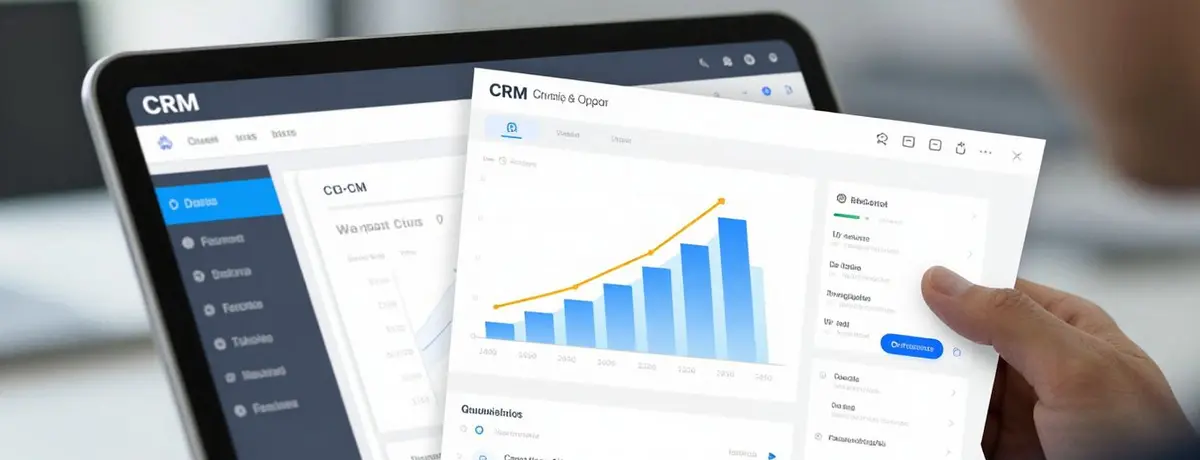
LinkedIn CRM integration is the real-time and automatic transfer of potential customer data collected through LinkedIn Lead Gen Forms to the company’s customer relationship management (CRM) system via middleware or direct API connection. This system encompasses not only the movement of data but also provides feedback to advertising algorithms about which lead is considered 'qualified.'
This integration is vital for bridging the notorious gap between marketing and sales teams. In practice, we often see this: An advertising platform counts anyone who fills out a form as a "successful conversion" and pushes its algorithm to find similar people. If those who fill out the form are unqualified, the algorithm continues to find more unqualified individuals. However, CRM integration reverses the cycle, allowing you to target profiles similar to those that the sales team has marked as "qualified." For more detailed information on this topic, you can check our service page on LinkedIn advertising.
A digital dashboard showing the data flow between LinkedIn and CRM
Root Causes of the Low-Quality Lead Problem
Why do we encounter 'low-quality' data even on a professional network like LinkedIn? When analyzing user behaviors in 2026, we see three main reasons. The first is LinkedIn's auto-fill feature for forms. Since users' profile information is automatically populated, they can submit the form with just two clicks without fully understanding what they are consenting to. The second is the prevalence of mobile usage; users may inadvertently trigger forms while on the go. The third is that although the target audience may be correct, the offer can be overly generic and appeal to everyone.
Based on our experience with an industrial machinery manufacturer client; when we only asked for the name and email on forms, the lead volume increased by 40%, but the sales closure rate dropped to 2%. However, after integrating the form with the CRM and adding critical questions like "What is your budget range?" or "When do you plan to invest?" we achieved a 15% increase in total revenue despite a decrease in volume. This situation once again proves the reality of why targeting everyone is essentially not targeting anyone.
Update Your Form Strategy for Qualified Lead Generation
The qualified lead generation process on LinkedIn doesn't end with technical integration; the design of the form is critical as well. At the standards of 2026, you must be very clear about the answer to the question "Why are you sharing this data?" As a professional tip: Be sure to include at least one question that requires 'manual input' in your form. This serves as a filter that helps you understand whether the user is filling out the form consciously. Additionally, making the business email (work email) mandatory can help you reach decision-makers directly by blocking personal @gmail or @hotmail addresses.
Automatic Lead Scoring and Nurturing with CRM Integration
Transferring data to the CRM is just the first step of the job. The real magic begins with feeding offline conversions back to the advertising platform. When you update a lead's status in your CRM system to "Qualified," "Meeting Held," or "Sale Closed," this data is sent back to LinkedIn via the API. LinkedIn’s AI algorithms begin to learn not just about those who filled out the form, but about "the ones with the highest purchase potential."
Additionally, thanks to CRM integration, you can automate "Lead Nurturing" processes. When someone fills out the form, sending an immediate thank-you email and then providing your case studies (case studies) three days later lightens the load on your sales team. At 212 Medya, we not only provide ad management but also consultancy in building this data architecture for our clients. Remember, you can set up a basic integration yourself with tools like Zapier; however, getting expert support for advanced data matching and offline conversion tracking will multiply your return on investment (ROI).
Manual Lead Management vs. CRM Integrated Process Comparison
Özellik Manuel Süreç (Excel/CSV) CRM Entegreli Süreç (2026 Trendi)
Veri Aktarım Hızı Günde/Haftada bir manuel indirme Gerçek zamanlı (Anlık)
Satışa Dönüş Hızı Düşük (Lead soğur) Yüksek (Anında temas)
Reklam Optimizasyonu Sadece form doldurma odaklı Satış/Nitelik odaklı (ROAS odaklı)
Veri Güvenliği Düşük (Bilgisayarda dosya saklama) Yüksek (KVKK/GDPR uyumlu bulut sistem)
Lead Skorlama Mümkün değil Yapay zeka destekli otomatik skorlama
Data Tracking in 2026: The Importance of Server-Side Tracking
In the 2026 world where traditional cookies have lost their importance and privacy settings have peaked, browser-based tracking can cause you to miss out on 30% to 50% of the data. This can mislead you while measuring the performance of your LinkedIn ads. Server-side tracking setup is a necessity, not a luxury, at this point. While LinkedIn Lead Forms work directly within the platform, you need to establish a server-side bridge to track user actions after they come to your website following the form submission.
According to LinkedIn Business Solutions data, advertisers who use CRM data for retargeting have a 25% lower cost per acquisition (CPA) compared to those who do not [Source: LinkedIn]. This data shows that digital marketing is no longer just about creative; it requires serious data engineering.
A modern server room symbolizing advanced data tracking and security
Key Points
- The quality of the data you collect through LinkedIn lead form ads is directly related to your question strategy on the form.
- Focusing only on the number of forms leads to inefficient use of your marketing budget; center the conversion metric instead.
- LinkedIn CRM integration increases the sales closing chances by 60% by providing the sales team with immediate access to the freshest data.
- Due to privacy-focused browsers in 2026, uploading offline conversion data back to LinkedIn (Offline Conversion API) is key to campaign success.
- Use lead scoring to create targeted ad campaigns (Retargeting) only for high-scoring candidates.
Conclusion: The One Who Manages Data Manages the Market
The low-quality lead problem in LinkedIn advertising is not fate but a system deficiency. In the competitive B2B landscape of 2026, believing that every person who fills out a form is a "customer" is the biggest misconception. True success comes when you leverage the intelligence of the advertising platform with your company’s CRM data. Establishing this integration may initially seem like a complex technical process; however, in the medium to long term, it will reduce your advertising costs while elevating the morale and productivity of your sales team.
At 212 Medya, we do not view LinkedIn ad management as merely launching a campaign. We manage the entire process end-to-end, from CRM integration to server-side data tracking. If you want to spend your advertising budget on real buyers instead of junk leads, it's time to meet our professional team. If you're looking for a solution partner who will be with you at every stage of digital transformation and help you grow your business, you can contact us.
Frequently Asked Questions
Which software can I use for LinkedIn CRM integration?
LinkedIn offers direct integration with large CRM systems like Salesforce, HubSpot, Microsoft Dynamics 365. If you are using a more boutique CRM, you can manage the process through intermediary platforms like Zapier or Make, or through custom API integration.
How many questions should I ask on the form to increase the quality of those filling it out?
The ideal scenario includes 3 auto-filled (first name, last name, work email) and 1 or 2 manually answered (company size, problem identification, etc.) questions. A total of 4-5 questions helps you collect quality data without boring the user.
What do I lose if I do not implement CRM integration?
Your biggest loss is time and data. In manual file download processes, leads cool off (responding within the first 5 minutes increases the chance of conversion by 10 times). Additionally, the advertising algorithm does not know who to target, wasting your budget.
Why is offline conversion tracking critical in 2026?
Because advertising platforms (LinkedIn, Google, Meta) can no longer see every movement on the browser. If you do not provide the information about sales (from CRM) back to the platform, the ad AI continues to operate blindly.
How does 212 Medya help in this process?
First, we audit your existing advertising and data structure. Then, we establish a secure and GDPR-compliant API bridge between your CRM system and LinkedIn. We create campaigns that not only collect forms but also generate sales.